Signol
{{ vendor.FirstName + " " + vendor.LastName }}
{{ vendor.Phone }}
{{ vendor.Email }}
{{ vendor.Website }}
{{ vendor.Address }}

Signol is a behavioural change service that helps the maritime and aviation industries reduce carbon emissions by motivating operators to make more fuel-efficient decisions. Combining behavioural insights with data science, Signol engages crews of pilots, captains, and chief engineers in fuel-saving actions seamlessly within their operations. Its software and communication tools integrate evidence-based behaviour change techniques that prioritise personalisation, autonomy, and safety while encouraging seafarers to act on their opportunities and improve fuel performance at sea. To date, Signol has helped aviation and shipping customers save over $30 million in fuel costs and avoid over 125,000 metric tonnes of CO₂ emissions.
About Signol
Signol harnesses the power of behavioural science to encourage Masters and Chief Engineers to implement routine, day-to-day fuel-saving behaviours more often, while positively recognising their efforts. Signol boosts fuel-saving actions using a set of behaviour change techniques, delivered through Signol’s web app and periodic emails sent directly to crew.
How Signol Works
Signol is a digital behaviour change service designed to motivate and engage crew members to make more fuel-efficient decisions. The service is built on Signol’s analysis of the behavioural barriers that prevent fuel-saving actions, such as lack of motivation and cognitive overload. These barriers are addressed through an engaging, personalised solution that uses existing operational data and processes, without adding extra work beyond day-to-day tasks.
Behaviour Change Techniques
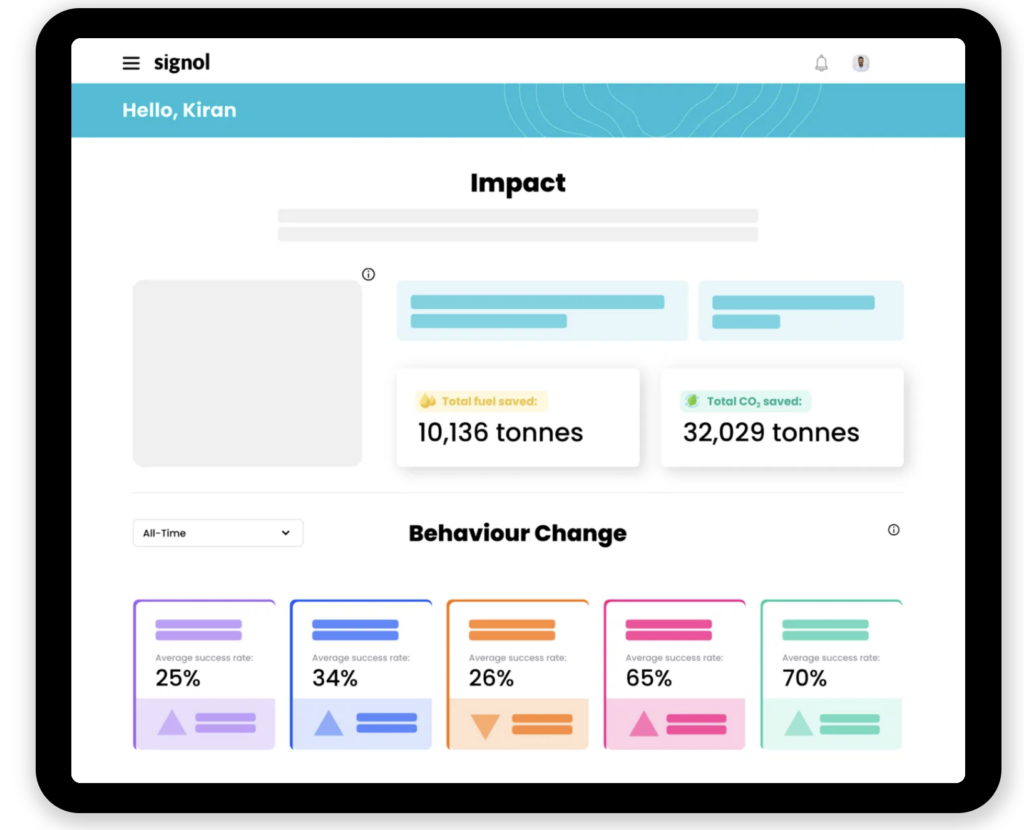
Signol applies proven behaviour change techniques, including personalised goals tailored to each crew member’s previous behaviour (SMART goals), impact reframing that provides a real-time view of personal impact on fuel consumption and emissions framed in tangible, real-world terms, and social proof that highlights fuel-saving opportunities based on what other crew members did in similar, relevant contexts.
Examples of Fuel-Saving Behaviours
Examples of operational behaviours encouraged by Signol include efficient auxiliary engine use that limits excess running hours, and efficient trim when ballast or laden that maintains vessel trim within instructed parameters.
Maritime & Aviation Focus
Signol currently works with clients across maritime and aviation, reducing fuel consumption and CO₂ emissions by harnessing the everyday opportunities crew members have to save fuel. For maritime clients, Signol has achieved fuel and emissions reductions of 4–8%.
Signol’s Impact
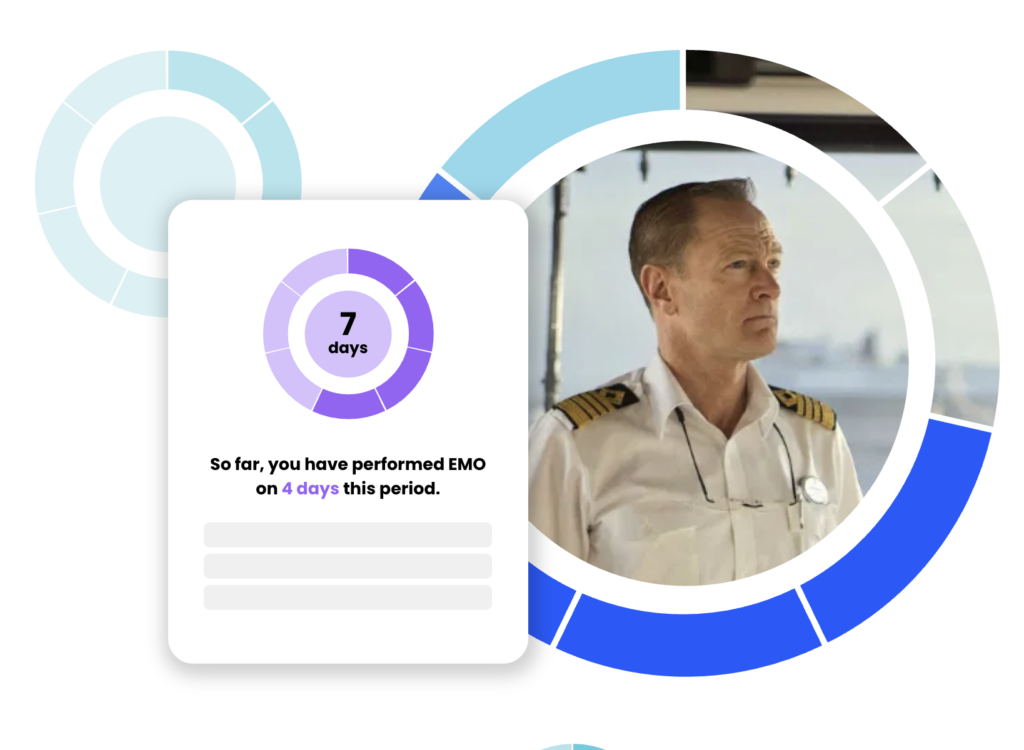
To date, Signol has delivered over $32 million in fuel cost savings and reduced more than 126,000 metric tons of CO₂ emissions. Signol also supports clients’ ESG initiatives through optional incentives. Companies can donate $5–10 on behalf of seafarers who achieve their Signol goals. These incentives cost less than bonuses and are an optional but highly recommended feature.
Behaviour Change Terminology
“Behaviour change techniques (BCTs)” is the preferred term and includes what are often referred to as “nudges”. While “nudges” may be used informally or in headlines, “behaviour change techniques” is more accurate. We prefer to say Signol motivates and engages users to change behaviour, rather than “nudging” them. Alternative phrasing includes “encouraging” or “supporting” users.
Fuel-saving actions are referred to as behaviours, explained as identified operational processes where crew members have untapped opportunities to save fuel, or defined sets of operational actions that reduce fuel consumption. The terms fuel-saving actions, fuel-saving behaviours, and fuel-saving decisions are used interchangeably.
Quotes & Spokespeople
Quotes can be attributed to Harriet Hunnisett Johnson, Head of Maritime at Signol. Other experts include Zoe Pounder, Behavioural Scientist, and Divya Sukumar, Chief Experience Officer (Behavioural Scientist), available after February 2026.
Press & Media
Signol has been featured across leading maritime and sustainability media, with expert commentary from our team on the role of behavioural science in reducing fuel consumption and emissions. Featured coverage includes the Green Seas Podcast (TradeWinds) discussing whether behavioural science can reduce shipping emissions, TUI Cruises’ sustainability initiative launched in an industry first, Ultranav targeting fuel savings by changing crew routines in a new trial, and the Last Dinosaur Podcast featuring Harriet Johnson explaining a seafarer’s motivation.